Is Dental Bonding Covered by Insurance?
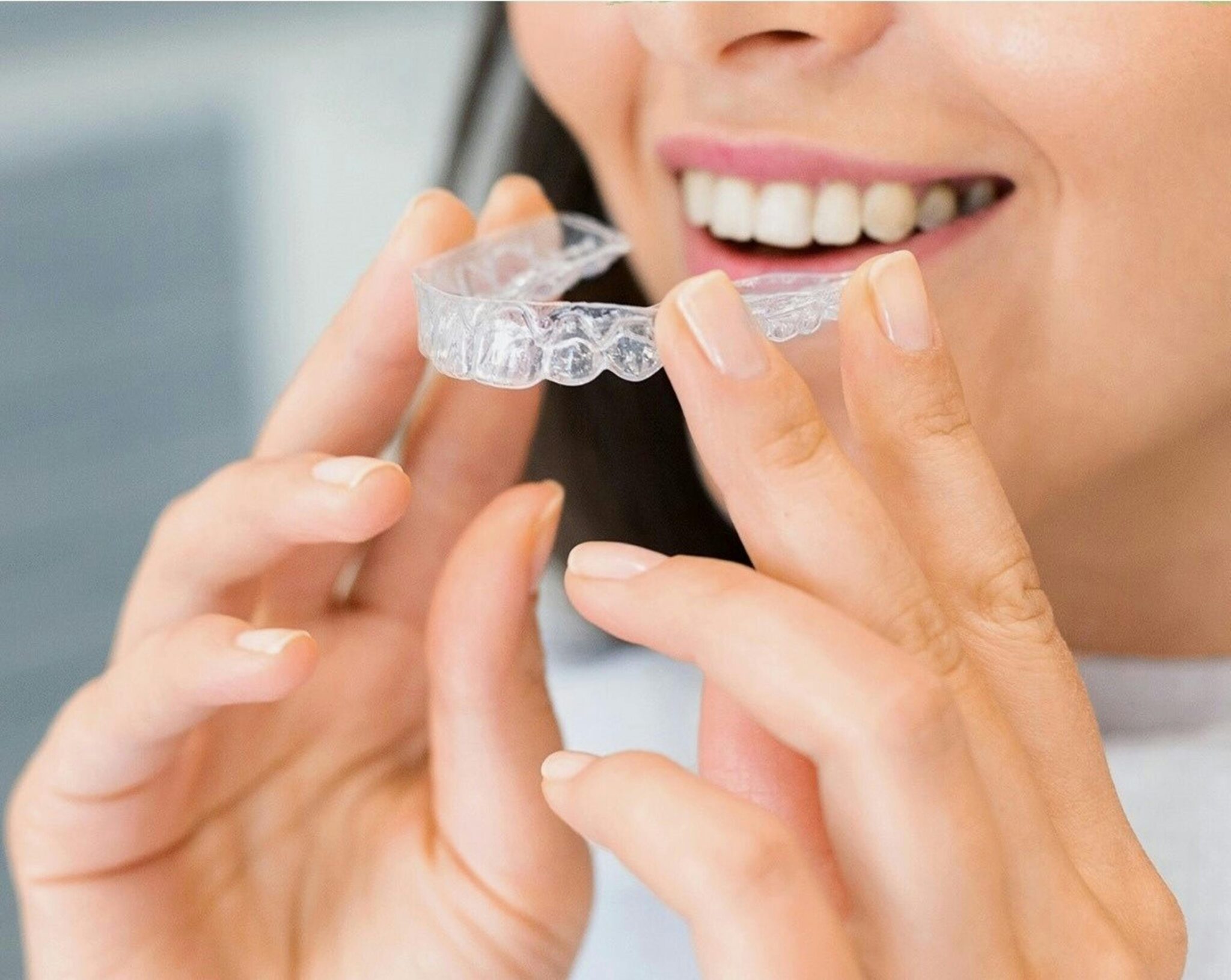
Dental bonding sits in a gray area that confuses a lot Dental Bonding Toothworks of Bakersfield, Dentist and Orthodontist of patients. The procedure is common, relatively conservative, and often less expensive than veneers or crowns. Yet when the bill arrives, people are surprised to learn that insurance may pay all of it, part of it, or none of it, depending on why the bonding was done and how the claim was coded.
The short answer is that dental bonding is sometimes covered by insurance, but not when it is done purely to improve appearance. If the bonding repairs a damaged tooth, closes a cavity-prone defect, restores structure after trauma, or replaces missing tooth material that affects function, coverage is much more likely. If the goal is to reshape a healthy tooth, close a minor cosmetic gap, or brighten a smile without a medical need, insurance usually classifies it as cosmetic and excludes it.
That answer sounds simple until real life gets involved. Small chips can be cosmetic or functional. Worn edges may reflect aging, grinding, or bite problems. A front tooth repaired after a fall might be covered, while that same repair could be denied if the plan has a waiting period, annual maximum issue, or missing documentation. The details matter.
Why coverage depends on the reason for treatment
Insurance companies do not really insure "bonding" as a concept. They insure dental treatment codes and clinical necessity. The material used matters less than the purpose it serves.
Dental bonding uses a tooth-colored composite resin that is shaped directly on the tooth and cured with a light. Dentists use the same broad category of material for several different situations. A tiny cavity filling on a side tooth may be fully covered under a standard restorative benefit. A smooth layer placed over a front tooth to improve symmetry may be treated as elective cosmetics. Clinically, both involve composite resin. Administratively, they are very different.
That distinction is where many misunderstandings begin. Patients often hear "bonding" and think of a cosmetic smile procedure because that is how it appears in marketing. Dental plans, on the other hand, often treat composite restorations according to whether the tooth is decayed, fractured, structurally compromised, or part of a medically necessary repair.
A practical example helps. If a patient chips an upper front tooth biting a fork or falling on ice, and the dentist restores the missing portion with composite bonding, that claim has a strong chance of being covered under restorative benefits. If another patient has two healthy front teeth but wants them slightly longer and more even for photos or an upcoming wedding, that same material and chair time will usually be excluded.
The cosmetic versus restorative dividing line
This is the single most important concept to understand before scheduling treatment.
Insurance generally covers procedures that diagnose, prevent, or treat disease, injury, or loss of function. It generally does not cover procedures done only to enhance appearance. Dental bonding can land on either side of that divide.
Restorative bonding tends to be covered when it addresses one or more of the following:
- A chipped, cracked, or broken tooth
- Decay that requires a tooth-colored filling
- Erosion or wear that has removed natural tooth structure
- A defective older filling that must be replaced
- Structural defects that trap plaque or affect function
Cosmetic bonding tends not to be covered when it is done mainly to change how a smile looks, such as widening a tooth, masking discoloration on a healthy surface, closing a tiny space with no functional problem, or altering shape for symmetry alone.
The challenge is that plenty of cases contain both cosmetic and restorative elements. A tooth may be slightly chipped, but the patient also wants it reshaped. A stain may sit in enamel that has a developmental defect. A worn incisal edge may bother the patient aesthetically, but it may also expose dentin and create sensitivity. In these borderline cases, the dentist's clinical notes, photographs, and narrative can influence whether the insurer sees the treatment as necessary or elective.
What dental insurance plans often cover
Most dental plans break benefits into preventive, basic, and major services. Composite fillings and many straightforward repairs fall under basic restorative care. When bonding is used in place of a filling or direct repair, it often fits there.
Coverage levels vary, but many plans reimburse basic services at around 70 to 80 percent after the deductible, especially in PPO plans. That does not mean the patient pays only 20 percent. The plan may apply a fee schedule, frequency limitations, downgrade rules, or annual maximum caps. If the dentist's fee is higher than the insurer's allowed amount, the patient may owe the difference, depending on the plan structure.
A common scenario looks like this. A patient has a fractured corner on a front tooth. The dentist charges $325 for a one-surface composite restoration. The insurance plan allows $240 and covers basic services at 80 percent after deductible. If the deductible has already been met, the plan pays 80 percent of $240, which is $192. The patient pays the remaining $133. People are often surprised because they expected 80 percent of the dentist's actual fee, not the insurer's allowed amount.
For posterior teeth, another wrinkle appears. Some plans still use "alternate benefit" clauses or downgrades. If a back tooth can be restored with amalgam under the terms of the plan, but the patient chooses tooth-colored composite, the insurer may reimburse only the lower amalgam equivalent. This is less common than it used to be, but it still appears in some plans and employer groups. That rule usually does not affect visible front teeth in the same way.
When coverage is less likely, or denied outright
Purely cosmetic dental bonding is usually not covered. If the tooth is healthy and the treatment is elective, the insurer will often exclude it even if the result improves confidence or social comfort. Dental plans are not built like lifestyle reimbursement programs. They are designed around oral disease and structural treatment.
Another common reason for denial is lack of documentation. Insurance companies may request X-rays, intraoral photos, chart notes, periodontal findings, or a written explanation of why the repair was needed. If the claim simply says "bonding on tooth #8" with no context, the plan may reject it for insufficient information.
Timing can also cause problems. Many plans impose waiting periods for basic or major services, especially when the policy is newly purchased outside of a group employer setting. If a patient buys individual dental insurance in March and seeks bonding in April, coverage may be blocked even if the procedure itself would otherwise qualify.
Annual maximums are another source of frustration. A lot of dental plans still cap benefits at amounts like $1,000 to $2,000 per year. A few fillings and a crown can consume that maximum quickly. By the time front tooth bonding is submitted, the plan may pay little or nothing simply because the benefit ceiling has already been reached.
Then there are frequency limits. Some policies will not pay to replace a restoration within a certain number of months or years unless there is documented failure, recurrent decay, or trauma. If a patient had bonding redone last year and wants it refined again, the claim may not survive review unless there is a clear restorative reason.
How dentists present bonding to insurance companies
This part rarely gets discussed outside the billing office, yet it shapes the final answer more than many patients realize.
Insurance carriers do not respond to adjectives like "beautiful" or "confidence boosting." They respond to diagnoses, findings, and coded procedures. When a dentist submits a claim for bonding, the supporting information should show what problem existed before treatment and why composite resin was the appropriate repair.
Strong documentation often includes a description such as fracture of mesio-incisal angle after trauma, recurrent decay under prior resin restoration, exposed dentin due to attrition with sensitivity, or restoration needed to reestablish proximal contact and prevent food impaction. Photos help because they show loss of tooth structure or visible damage. Notes about symptoms, sensitivity, rough edges, or bite interference also help in close cases.
This is why two patients can receive similar treatment and have very different outcomes with insurance. One claim is submitted with a precise narrative and photos. The other is sent with minimal information. The carrier approves the first and pends or denies the second.
That does not mean dentists can simply word cosmetic care into coverage. Insurers audit patterns, review records, and compare the submitted reason with the actual tooth condition. But when treatment is genuinely restorative, clear records matter.
Common real-world situations
A patient with a cavity on a front tooth usually has the easiest path to coverage. Composite filling on an anterior tooth is standard restorative care, and most plans recognize it that way.
A patient with a chipped front tooth from trauma is often covered as well, though the plan may ask whether a medical insurer should be billed first if the injury came from an accident. This surprises people, but it is common coordination. If the chip resulted from a car crash, sports injury, or fall, the dental insurer may want the medical claim information before finalizing payment.
A patient with old bonding that stains or wears down over time enters murkier territory. If the restoration is failing, rough, leaking, or structurally deficient, replacement may be covered. If the main concern is that it no longer matches surrounding teeth as nicely as before, it may be treated as cosmetic replacement.
A patient hoping to close a small gap between front teeth usually finds little to no insurance benefit unless the spacing contributes to function problems or is part of a larger restorative plan. Even then, payment is far from guaranteed.
A patient with severe enamel wear from grinding may receive partial coverage when bonding restores lost tooth structure and protects the teeth. In those cases, insurers may still scrutinize whether a night guard was recommended or whether the bonding is durable enough for the bite forces involved. Function matters, but treatment planning details matter too.
What your dentist's office can do before treatment
The most useful tool is a pre-treatment estimate, often called a predetermination or preauthorization, though the exact term varies. It is not a promise of payment, but it gives a written preview of how the insurer is likely to process the procedure.
Before proceeding with anything more than a straightforward filling or urgent chip repair, many experienced offices will send the planned treatment, narrative, and supporting images to the carrier. This step can save a lot of argument later. It can also reveal whether the insurer plans to downgrade the procedure, apply a waiting period, or classify it as cosmetic.
If you are the patient, do not assume "we'll bill your insurance" means "insurance will cover it." Those are very different statements. Ask whether the office has checked your benefits, whether the planned code is considered restorative, and whether documentation has been submitted.
Here are the most useful questions to ask before you commit to treatment:
- Is this bonding being billed as restorative or cosmetic?
- Has my plan covered similar treatment before on this tooth?
- Do you recommend a pre-treatment estimate?
- What is the office fee, and what is the likely insurance allowed amount?
- If insurance denies it, what will I owe?
Those five questions can prevent the most common misunderstandings.
Costs when insurance does not help much
Dental bonding is often chosen because it is more affordable up front than porcelain veneers or crowns. A simple bonded repair on a small chip may cost a few hundred dollars. More involved anterior cosmetic bonding can run higher, especially when artistry, shaping, and shade blending are demanding. Fees vary by region, dentist experience, and how much tooth structure is being rebuilt.
For a single tooth, many patients see fees somewhere in the rough range of $200 to $700 for straightforward bonding, though complex cosmetic contouring may exceed that. If multiple front teeth are being treated for shape, proportion, and edge design, the total can rise quickly even though each unit is still less than a veneer. The important point is that "bonding is cheaper" does not always mean "bonding is cheap," especially when insurance excludes it.
Durability affects cost over time too. Direct composite bonding can look excellent, but it may stain, chip, or require maintenance sooner than porcelain in some patients. Someone who drinks a lot of coffee, bites pens, chews ice, or has a heavy bite may return for repairs more often. Insurance may or may not help with those future touch-ups, depending on the reason.
Alternatives if coverage is limited
Patients often ask whether another procedure would be more likely to receive benefits. Sometimes yes, sometimes no.
If the issue is decay or structural damage, a standard composite restoration is already the appropriate covered service in many cases. If the issue is a larger defect that weakens the tooth, a crown or veneer may enter the discussion, but crowns have their own coverage rules and often greater out-of-pocket costs. Veneers are almost always considered cosmetic unless they are part of a narrow medically necessary exception, which is uncommon.
If the concern is a gap or shape issue, orthodontics may be more appropriate than cosmetic bonding in some cases, though orthodontic benefits are separate and often limited, especially for adults. If discoloration is the problem, whitening is usually less invasive than bonding, but dental insurance rarely covers whitening either.
This is where good clinical judgment matters. A conservative repair that preserves tooth structure can still be the best choice even if insurance contributes very little. The cheapest path on paper is not always the smartest path biologically.
Medical insurance and accident cases
One detail many people miss is that medical insurance can sometimes play a role when the bonding is needed because of an accident or injury. Policies differ, and the process can be tedious, but trauma-related dental treatment is sometimes first routed through medical coverage.
For example, if a patient fractures front teeth during a bicycle accident and needs immediate composite bonding, the dental office may need the date of injury, accident details, and medical carrier information. The dental insurer may ask for an explanation of benefits from the medical plan before processing the dental claim. This can slow reimbursement, but it may also reduce what the patient owes if the medical policy applies.
Not every accident-related dental repair will be covered medically. Some plans exclude dental structures unless jawbones or surrounding tissues are involved. Still, it is worth checking when trauma is the reason for treatment.
Why employer plans and individual plans can feel so different
Patients sometimes compare notes with friends and end up more confused than before. One person had bonding covered at 80 percent. Another paid entirely out of pocket for what sounds like the same thing. Often the difference comes down to the specific plan, not the procedure alone.
Large employer plans may have better negotiated fee schedules, shorter waiting periods, and broader restorative coverage. Individual plans purchased directly by consumers often have stricter annual maximums, more exclusions, and limitations in the first year. Union plans and premium PPO plans may cover replacement of existing restorations more generously than discount or entry-level products.
The lesson is simple. Never rely on general advice from a friend, even if their dental story sounds identical. Benefits are contractual. Your plan document decides the answer.
The language to look for in your policy
If you read your benefits booklet, look for terms such as restorative services, anterior composite, posterior composite, alternate benefit, cosmetic dentistry, replacement limitations, and annual maximum. Those phrases tell you more than broad statements like "basic services covered."
A policy may say that cosmetic procedures are excluded unless required because of accidental injury. Another may state that tooth-colored restorations on molars are covered only up to the amalgam allowance. Some define replacement eligibility based on the age of the existing restoration. Others exclude procedures done solely to alter vertical dimension or improve appearance.
This fine print can be maddening, but it explains why front desk estimates sometimes change after the claim is finalized. The initial quote is often based on summary benefits, while payment depends on the full contract.
How to improve your chances of coverage
Patients cannot control every decision an insurer makes, but they can make the process smoother. Start by having the office verify benefits and submit a pre-treatment estimate when time allows. Make sure the reason for treatment is accurately documented. If trauma caused the damage, report that clearly and provide accident details. If the tooth is sensitive, rough, or functionally compromised, say so during the exam so it appears in the record.
If a claim is denied and the treatment was truly restorative, ask whether an appeal makes sense. Appeals succeed most often when new supporting information is added, such as clearer photos, updated X-rays, or a more detailed narrative. A denial is not always the final answer. Sometimes it simply means the first submission was too sparse.
At the same time, keep expectations realistic. Insurance is not a reward system for choosing a conservative procedure. It pays according to policy language and documented necessity. When the main goal is aesthetic improvement, even excellent bonding usually remains a personal expense.
The answer most patients need
So, is dental bonding covered by insurance? Sometimes, yes. Often when it repairs decay, fractures, wear, or structural defects. Usually not when it is chosen only to improve the look of otherwise healthy teeth.
The smartest next step is not guessing, and not relying on a receptionist's casual assurance. It is getting a clear diagnosis, a written estimate, and a frank explanation of whether your Dental Bonding is being treated as restorative care or cosmetic smile enhancement. That distinction drives almost everything that follows, from claim approval to your final out-of-pocket cost.
For many patients, bonding is still worth doing even without strong insurance support. It preserves tooth structure, can often be completed in one visit, and when done well, blends beautifully. The financial side just needs the same careful planning as the clinical side.
Toothworks of Bakersfield, Dentist and Orthodontist
Address: 1030 H St #1, Bakersfield, CA 93304
Phone number: +16613239421
FAQ About Dental Bonding
How long does dental bonding last?
Dental bonding typically lasts between 3 and 10 years (averaging about 5 to 8 years) before it needs a touch-up or replacement. Its lifespan depends heavily on your daily habits, where the bonding is placed in your mouth, and how well you care for your teeth.
How expensive is bonding a tooth?
Dental bonding typically costs between $100 and $600 per tooth, with a national average of about $431 per tooth.
What are the downsides of dental bonding?
Dental bonding has several drawbacks, including lower durability, a shorter lifespan, and a tendency to stain compared to alternatives like porcelain veneers.