Dental Bonding for Tiny Chips You Barely Notice

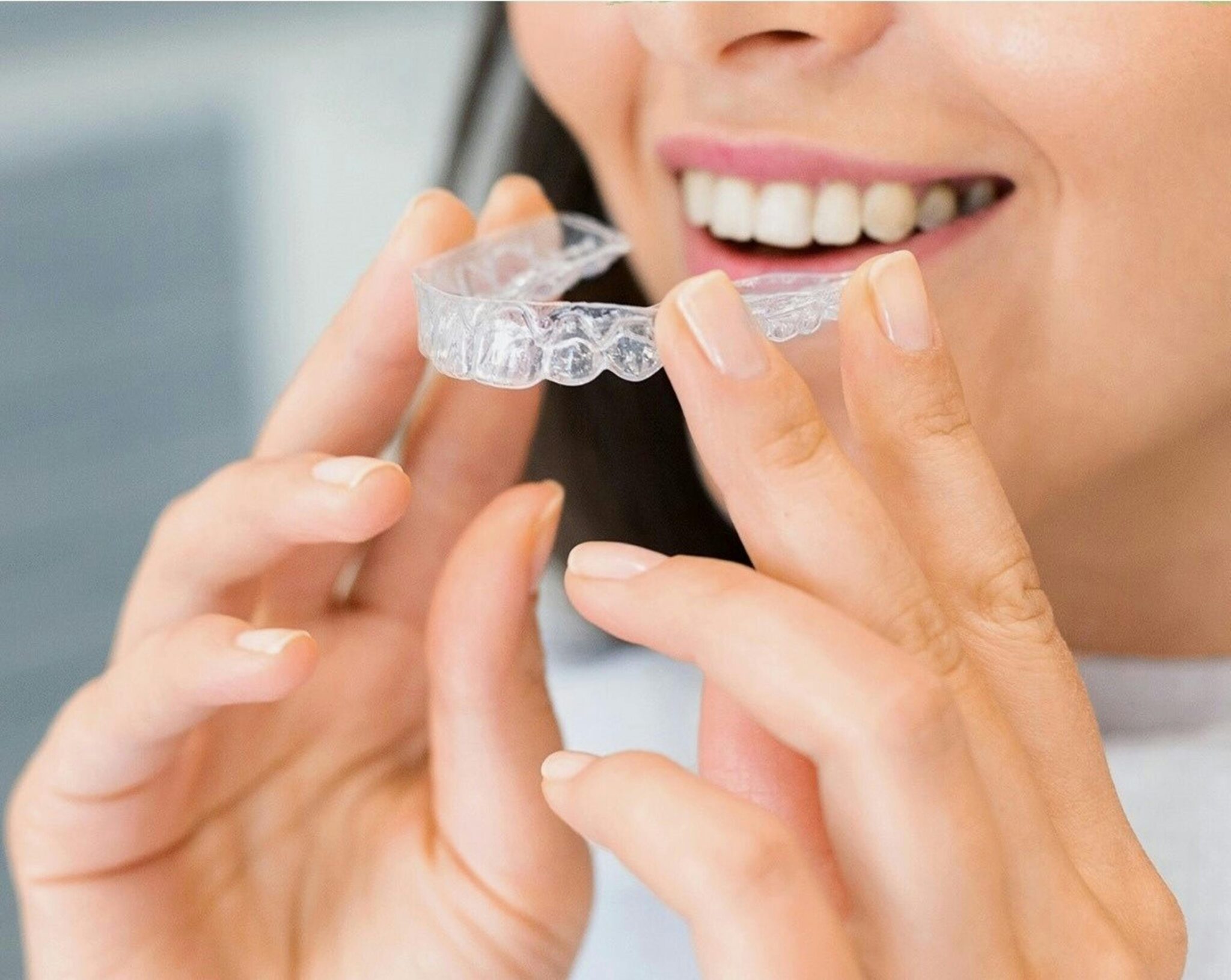

A tiny chip in a front tooth can be strangely hard to ignore. Other people may not see it unless they are a few inches away, yet you feel it every time your tongue finds that rough edge. You may notice it in a photo, under bathroom lighting, or when lipstick catches the uneven line of an incisor. These are not dramatic dental emergencies. Most are small, stable, and painless. Still, they can pull at your attention every day.
This is where Dental Bonding often earns its place. For minor chips, especially those that affect the edge of a front tooth, bonding can be one of the most conservative and practical cosmetic fixes available. It is usually completed in a single visit, removes little to no healthy tooth structure, and costs far less than porcelain veneers or crowns. The right case can look excellent. The wrong case can disappoint within months.
That distinction matters more than people expect. A tiny chip is not always just a cosmetic detail. Sometimes it is simply a nick in enamel from biting a fork, clenching at night, or years of normal wear. Sometimes it is a sign of a bite issue, edge-to-edge contact, acid erosion, or weakened enamel that will keep chipping no matter how carefully the repair is polished. The best treatment is not the most aggressive one. It is the one that respects the tooth, the bite, and how much durability you actually need.
When a tiny chip deserves attention
Many small chips are harmless. If there is no pain, no sensitivity, and no sharp edge irritating your lip or tongue, there is usually no urgent reason to treat them. Dentists see these all the time: a barely visible notch on a central incisor, a softened corner on a canine, a faint flattening of a lateral tooth that only becomes noticeable once a patient points it out.
What makes people seek treatment is often not function but awareness. A small break on a front tooth can catch light differently than the opposite side. Even when the tooth remains healthy, the asymmetry bothers people because front teeth are naturally mirrored. Human eyes are good at spotting tiny mismatches in the smile zone.
There are also situations where a small chip does warrant closer evaluation. If the area feels newly rough, seems to be growing, or appeared after trauma, it is worth having it examined. A chip can occasionally expose a deeper layer of tooth called dentin, which tends to look more yellow or opaque than enamel and may be more sensitive to cold. If the tooth was hit, the surface damage may be minor while the root or nerve took the real force. A simple x-ray and vitality check can rule out bigger problems.
One pattern comes up often in practice: the patient says, “It is tiny, but this is the third time it has happened.” That sentence changes the conversation. Repeated chipping usually points to a force problem, not just bad luck. Bonding may still be part of the solution, but it should not be the whole plan.
What Dental Bonding actually is
Dental Bonding uses a tooth-colored composite resin, the same broad family of material used for many white fillings, to rebuild or reshape part of a tooth. The dentist prepares the enamel surface so the material can adhere, selects a shade that blends with the surrounding tooth, applies the resin in layers, shapes it, hardens it with a curing light, and then contours and polishes it so it feels natural in the bite.
For a tiny chip, the amount of material may be very small. Sometimes the finished repair is no thicker than a fingernail edge. In skilled hands, that small addition can restore symmetry beautifully. The resin can soften a sharp corner, rebuild a missing edge, close a slight irregularity, or create a more continuous outline between neighboring front teeth.
The appeal is easy to understand. Unlike a veneer, which usually requires removing some enamel, bonding is often additive. The dentist places material where it is missing rather than shaving the tooth down to fit a laboratory-made shell. That conservative approach is especially attractive for younger patients or for anyone who wants to preserve options for the future.
There is a catch, and it is important. Composite resin is not porcelain. It can look very good, but it is generally more prone to staining, dulling, and edge wear over time. A bonded corner on a quiet, well-aligned bite may last years. The same repair on a patient who bites pens, clenches at night, or hits the bonded edge directly every time they chew may chip again quickly. Success depends heavily on case selection and finishing details.
Why small chips are often ideal for bonding
Tiny chips are among the best uses for bonding because the repair can stay small. The smaller the restoration, the easier it is to blend, maintain, and revise later if needed. A minor chip at the edge of a front tooth often allows the dentist to feather the composite into natural enamel with minimal visibility. When only a corner or micro-edge needs rebuilding, the material can work with the tooth rather than replacing a large surface.
That conservative scope matters. Once treatment becomes extensive, each option carries more trade-offs. A bigger cosmetic issue may pull the conversation toward veneers, orthodontics, or shape changes across several teeth to keep the smile balanced. But with one tiny chip, the best answer is often the least invasive one.
I have seen patients spend months worrying that a tiny front tooth chip means they need a veneer. Most do not. If the color is good, the rest of the tooth is healthy, and the bite allows it, bonding is often enough. In fact, there are cases where a veneer would be overtreatment, especially when https://zanderxxmh252.wordcanopy.com/posts/can-dental-bonding-strengthen-weak-teeth the only defect is a barely noticeable notch.
A useful way to think about it is this: if the problem is small, the solution should stay small whenever possible.
What the appointment usually feels like
Bonding for a tiny chip is usually straightforward and comfortable. In many cases, no anesthetic is needed because the work stays on the outer enamel. The dentist cleans the tooth, roughens or etches the surface, applies a bonding agent, and begins adding composite in small increments. Shade selection can be surprisingly nuanced. Natural teeth are not one flat color. They have subtle opacity near the edge, warmer tones closer to the gum, and varying levels of brightness depending on age and enamel thickness. Even a tiny repair can stand out if that nuance is ignored.
The shaping phase is where experience shows. Rebuilding a chipped corner is not just filling a gap. The contour has to reflect the neighboring tooth, the edge has to catch light correctly, and the length has to fit the lower teeth when you close and speak. A bonded front edge that looks fine in a reclined chair can feel bulky the moment a patient says a few words or bites together upright.
After the composite is cured, the dentist refines the shape with fine burs and polishing discs. This finishing stage matters more than many people realize. A well-polished bond resists stain better, feels smoother against the lip, and blends more naturally with enamel. Rushed finishing is one reason some patients walk away thinking bonding always looks obvious. Often, the material is not the problem. The contour and polish are.
For a very small chip, the entire visit may take thirty to sixty minutes. More complex edge work or multiple teeth can take longer. If the goal is subtle cosmetic balance, some dentists prefer to work slowly and check symmetry from several angles before final polishing.
What makes a bonded repair look natural
When bonding looks obvious, people often blame the material. More often, the issue is design. Tiny front tooth repairs succeed when three things are handled well: color, edge form, and surface texture.
Color is the first challenge. A single shade rarely matches a real tooth perfectly, especially on front teeth. Composite can be layered to mimic depth, but that takes judgment. If the repair is too opaque, it looks chalky. If it is too translucent, the edge can disappear or look gray. Lighting matters too. A match under bright operatory light can look different in daylight or restaurant lighting.
Edge form is the second challenge. Front teeth should not be stamped into identical rectangles. They have slight differences in line angles and corners. One central incisor may have a subtly sharper distal edge, the opposite one a slightly softer mesial corner. Matching that individuality is what makes the work disappear. It is also why very small chips can be trickier than they seem. On a larger restoration, the dentist has more room to shape. On a tiny one, a fraction of a millimeter can change the whole look.
Surface texture is the finishing touch. Natural enamel reflects light through tiny ridges, grooves, and gloss variations. If a bonded spot is polished too flat or too glossy, it may catch the eye even when the color is good. Skilled finishing recreates enough texture to keep the surface harmonious with neighboring enamel.
Patients are often surprised by how much craftsmanship goes into a repair that covers such a small area. The amount of resin may be tiny. The visual demand is not.
Durability, with honest expectations
Bonding is durable enough for the right job, but it is not indestructible. Tiny bonded repairs on front teeth can last several years, sometimes much longer, especially when they are placed mostly on enamel and not under heavy bite stress. But longevity varies. There is no universal number because the main variables are personal habits, tooth position, and occlusion.
A bonded edge can chip if you bite directly into hard foods, use your teeth to open packaging, chew ice, or clench and grind. Even healthy habits can wear it. Front teeth naturally meet and slide during speech and eating. If the lower teeth strike the bonded area repeatedly, the repair may need touch-ups over time.
Staining is another realistic concern. Composite resin does not absorb stain like a sponge, but it can pick up discoloration gradually, particularly at the margins or if the surface loses polish. Coffee, tea, red wine, tobacco, and heavily pigmented foods can shorten the time it stays pristine. That does not mean patients need to avoid them completely. It means a material chosen for convenience and conservation may require periodic maintenance.
A few realities are worth keeping in mind:
- Tiny repairs generally last better than large ones.
- Enamel bonding is more reliable than bonding to worn dentin.
- Nighttime grinding can shorten the life of even a beautiful repair.
- Polishing and occasional refinishing can extend the appearance of the bond.
- Repeated breakage usually signals a bite issue that needs attention.
That last point deserves emphasis. If a tiny chip returns in the same spot, replacing the bond again without adjusting the cause is rarely satisfying for long.
Cases where bonding is not the best answer
There is a temptation to treat every minor cosmetic issue with bonding because it is conservative and relatively affordable. But not every tiny chip is a good bonding case.
If the chip sits in an area of direct heavy contact, especially on a patient with a strong overbite or edge-to-edge bite, the composite may keep failing. In those situations, the smarter plan may involve slight bite adjustment, a night guard, or sometimes orthodontic movement if the forces are chronic and unfavorable.
If the tooth is badly dehydrated during the appointment, shade matching can be misleading. Teeth often look whiter and flatter in color immediately after they have been isolated and dried. A rushed match can leave the bond too light once the tooth rehydrates. Dentists who do a lot of cosmetic work tend to respect this and plan accordingly.
Bonding is also limited when the real issue is not a chip but generalized wear. A patient may point to one tiny notch, but the bigger story is that several front teeth are thinning, flattening, and becoming translucent from acid erosion or grinding. Fixing one corner can help cosmetically, but it may not address the pattern. Sometimes the right move is to monitor, protect, and think more globally rather than patching each small defect as it appears.
Porcelain becomes more compelling when discoloration is severe, shape changes are substantial, or the patient wants broader aesthetic changes beyond one chip. But moving too quickly to porcelain for a tiny defect can commit a healthy tooth to more treatment than it needs. The most conservative successful treatment remains the benchmark.
Cost, maintenance, and the practical side of decision-making
People often ask if it is worth fixing a chip they barely notice. The answer depends less on size than on how much it bothers you and what kind of maintenance you are comfortable with.
Bonding is usually one of the lower-cost cosmetic options, though fees vary widely by region, complexity, and the dentist’s cosmetic experience. A simple edge repair on one front tooth is very different from artistic recontouring across multiple teeth. The most polished aesthetic work may cost more than patients expect, not because more material is used, but because time and skill are doing the heavy lifting.
Maintenance is part of the bargain. Composite can usually be repaired, reshaped, or polished without starting over from scratch. That is one of its advantages. If a small edge picks up stain or a corner roughens after a year or two, the dentist may be able to refresh it conservatively. This repairability is often underappreciated. Porcelain is more stain resistant, but it is not as simple to modify chairside if something small changes.
A practical conversation about bonding should cover the following:
- whether the chip is purely cosmetic or also functional
- how your bite contacts that tooth
- whether you grind or clench
- how visible the area is in normal speech and smiling
- how willing you are to maintain or occasionally repair it
When those factors line up, bonding can feel like the ideal middle ground. When they do not, disappointment usually follows not because bonding is poor treatment, but because it was asked to do a job it was never suited for.
The role of bite, which is often overlooked
For front tooth bonding, bite is the quiet factor that determines survival. Patients naturally focus on color and shape. Dentists should also be thinking about force. Which lower tooth hits that edge first? Does the patient have a deep bite? Is there evidence of wear facets, cracked enamel, or scalloping on the tongue that suggests grinding? Does the repaired edge need to carry load during chewing, or can it sit slightly out of heavy contact?
These details can make the difference between a bond that lasts five years and one that fractures the first time someone bites into a crusty baguette.
One memorable example involved a patient with a tiny recurrent chip on a central incisor. The repair itself was easy. What was not easy was the way the lower incisors hit that exact spot every time she closed. The previous bonding had failed twice. Rebuilding it again without adjusting the contact would have been wishful thinking. Once the bite was refined and she started using a night guard for clenching, the next repair held far better.
This is why small cosmetic dentistry still benefits from big-picture thinking. Teeth do not exist in isolation. A tiny flaw may be a local problem, but it functions in a whole system.
If you are deciding whether to do it
For many people, the question is not “Can this be fixed?” but “Should I bother?” That is a fair question. If the chip is not visible, not sharp, and not changing, you are allowed to leave it alone. Not every irregularity needs correction. Natural teeth are not perfect, and a smile does not have to be machine-symmetrical to look healthy or attractive.
But if that tiny defect keeps catching your eye, bonding can be a thoughtful, low-commitment way to restore the shape without escalating to more invasive treatment. The best candidates are small, localized chips on otherwise healthy teeth, especially when the bite is favorable and expectations are realistic.
A good consultation should feel calm and specific. The dentist should tell you not only whether bonding can be done, but how likely it is to last on your particular tooth, what it may look like in different lighting, whether the repair might stain over time, and what habits could shorten its life. If the answer is “yes, but,” that is often the sign of an honest discussion rather than a sales pitch.
Tiny chips sit in an interesting category of dentistry. They are small enough to ignore, but visible enough to affect confidence. Dental Bonding fits that category well because it respects the scale of the problem. It can restore a tooth in a way that is conservative, fast, and often beautifully subtle. The key is not just adding composite. It is knowing when the smallest fix is truly the smartest one.
Toothworks of Bakersfield, Dentist and Orthodontist
Address: 1030 H St #1, Bakersfield, CA 93304
Phone number: +16613239421
FAQ About Dental Bonding
How long does dental bonding last?
Dental bonding typically lasts between 3 and 10 years (averaging about 5 to 8 years) before it needs a touch-up or replacement. Its lifespan depends heavily on your daily habits, where the bonding is placed in your mouth, and how well you care for your teeth.
How expensive is bonding a tooth?
Dental bonding typically costs between $100 and $600 per tooth, with a national average of about $431 per tooth.
What are the downsides of dental bonding?
Dental bonding has several drawbacks, including lower durability, a shorter lifespan, and a tendency to stain compared to alternatives like porcelain veneers.